Selected work
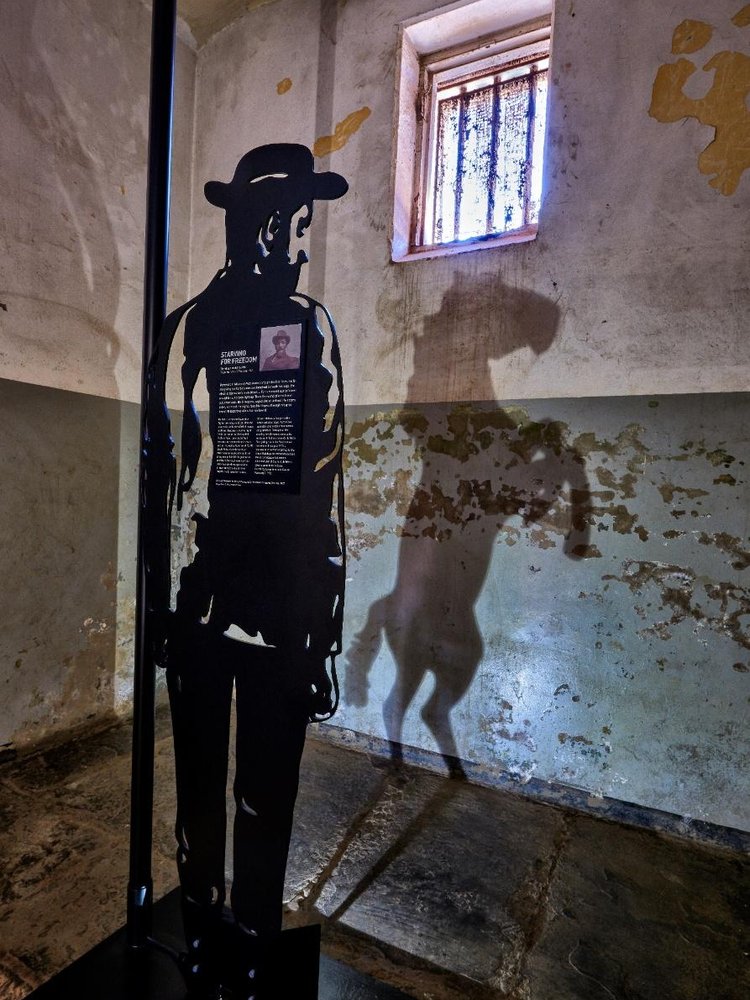
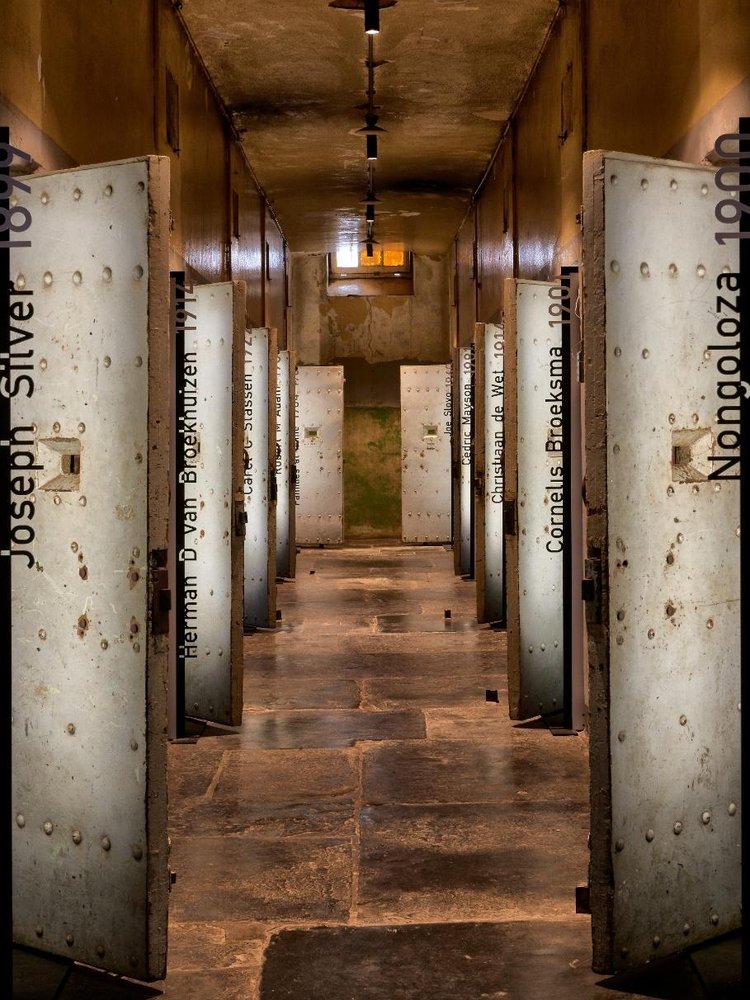
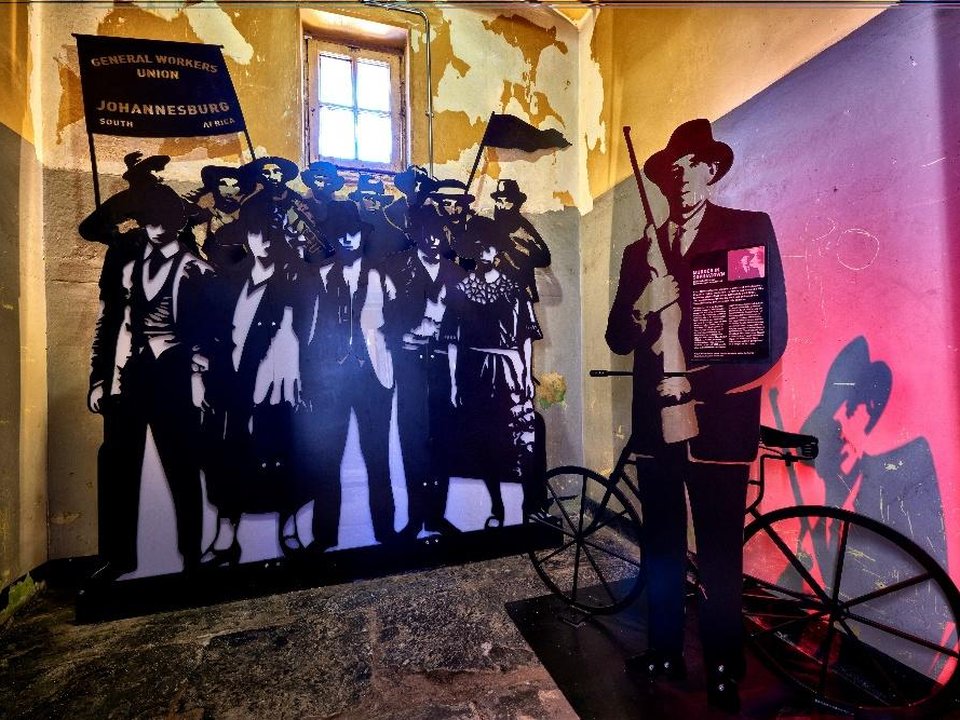
The brief was to bring the Old Fort’s history to life — from colonial military base to apartheid-era prison — without touching the historic fabric of the building. The narrative is presented through the eyes of the Fort’s former inhabitants, represented in various forms on the site.
The architectural scale structures carry text, images, and information through the spaces — analogue in nature, with interactive and digital content embedded where the story required it. Technology supports the experience without leading it. All 67 exhibits were free-standing, leaving no mark on the structure.
Strategically designed light was central to the experience, particularly in the cell block. It was used to dramatise the existing spaces rather than decorate them, creating atmosphere and narrative presence without touching the fabric of the building. The steel figures are one example — each lit to cast a deliberate shadow onto the original walls, the shadow as much a part of the exhibit as the figure itself.
Key learnings: designing within severe constraint as a creative condition rather than a limitation — and the discipline of using technology in service of an analogue experience, rather than as the experience itself.
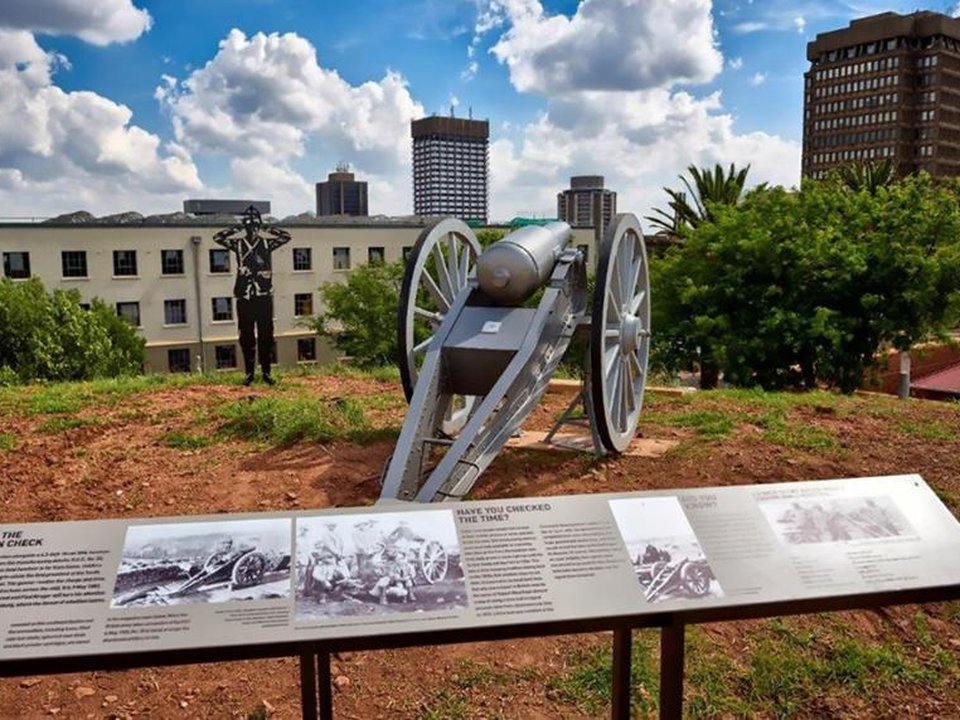
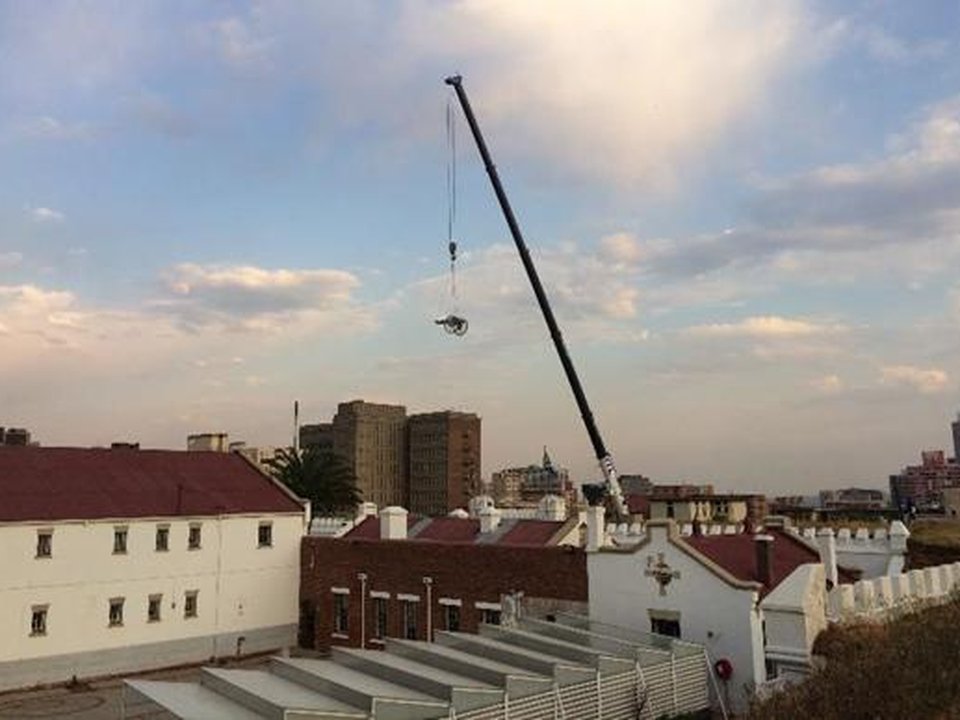
A separate commission produced two full-scale replica cannons for the ramparts, including a working gas-fired Howitzer built to original historical specifications. With engineering and design specifications from our team, replicas were constructed by a historical re-enactment specialist. The Howitzer fires weekly, echoing its colonial-era use.
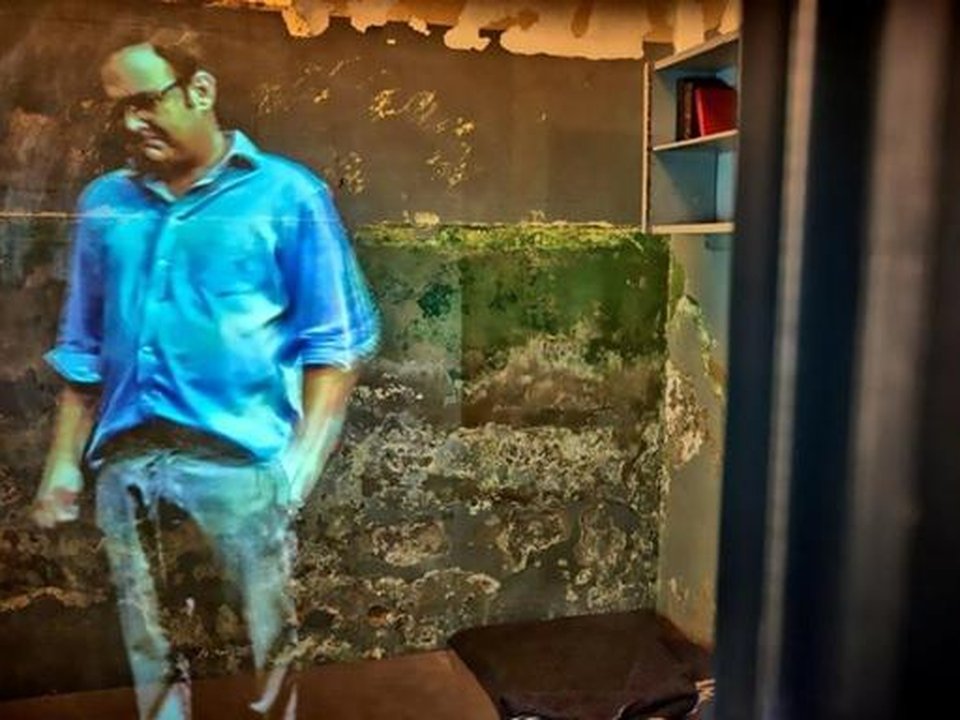
A holographic installation in Joe Slovo’s original cell brings one of the Fort’s most significant occupants back into the space. Using the Pepper’s Ghost technique, a life-sized projection of Slovo recounts a letter written from his cell during six months of detention without trial. The figure occupies the room as if present, narrated through an earpiece, with printed context visible through the viewing panel.
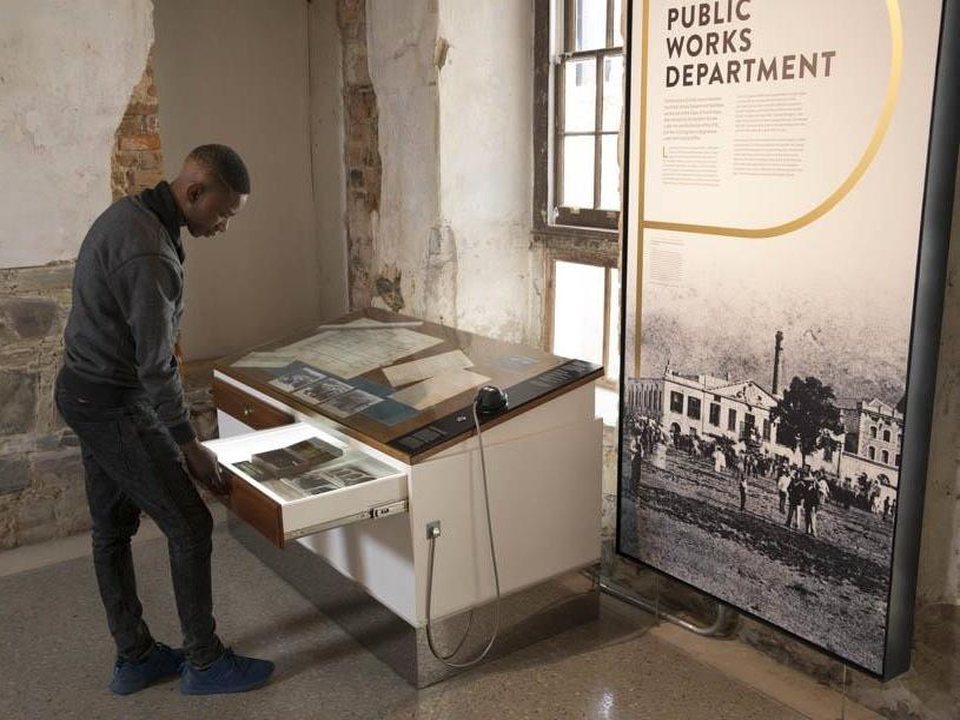
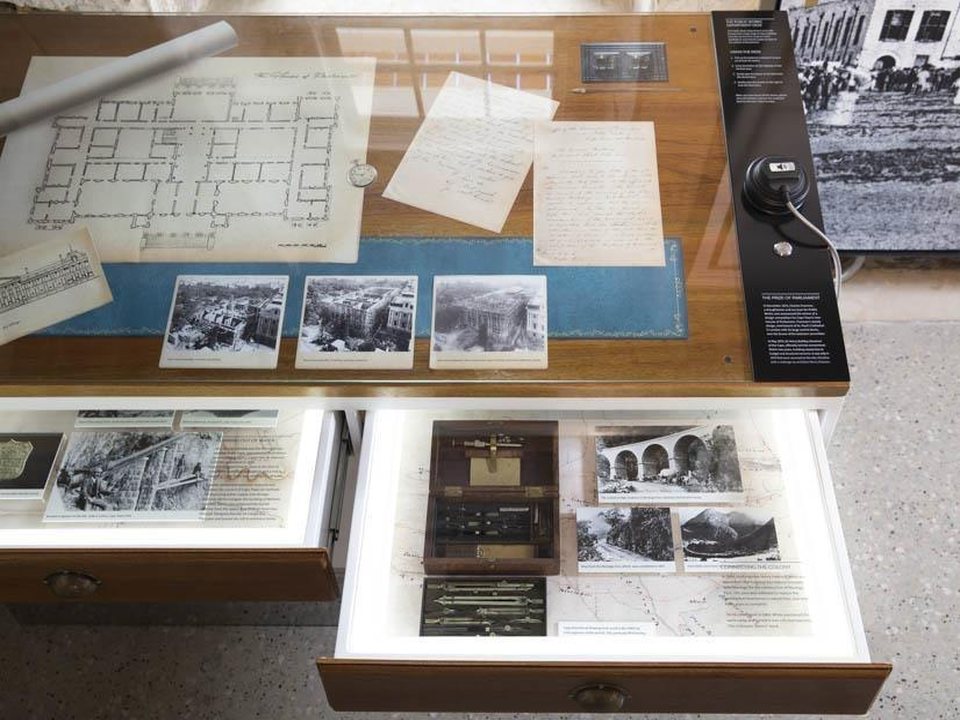
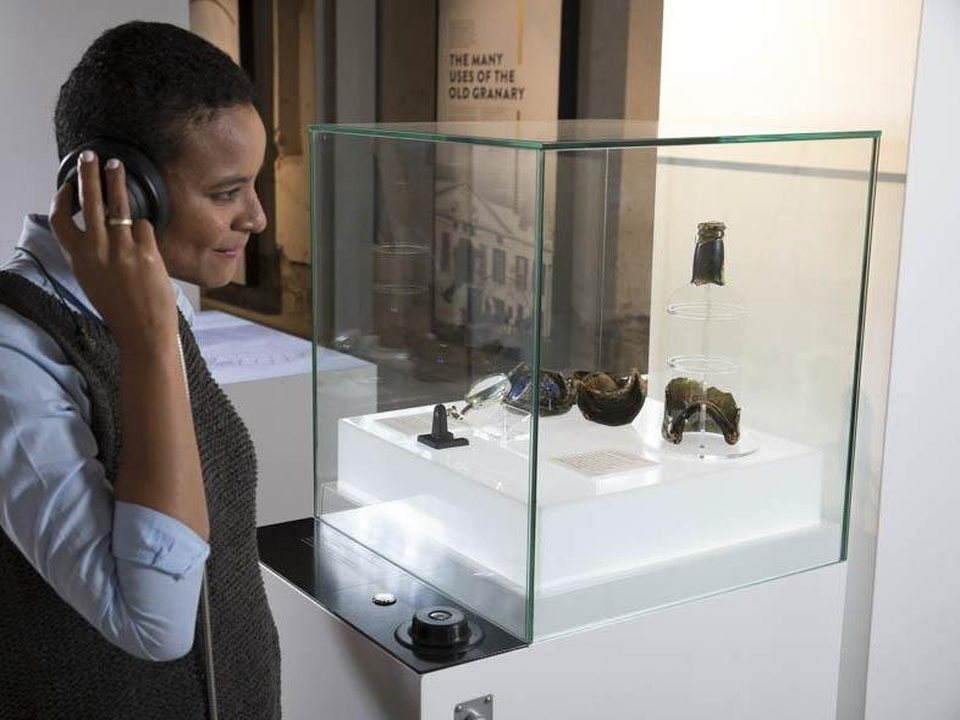
The Old Granary’s history — customs house, prison, government office — demanded an exhibition that respected the building’s ambiguity rather than simplifying it. The design used found and replica artefacts as the primary medium: objects that act as props to the stories being told. A morphing map projection traced Cape Town’s changing shoreline across centuries. An animated courtroom scene reconstructed an encounter between a freed slave and a colonial official. Every intervention was designed to be removed without a trace.
Key learnings: using objects and space as narrative devices, and the technical discipline of integrating technology inside a conservation-listed building without compromise.
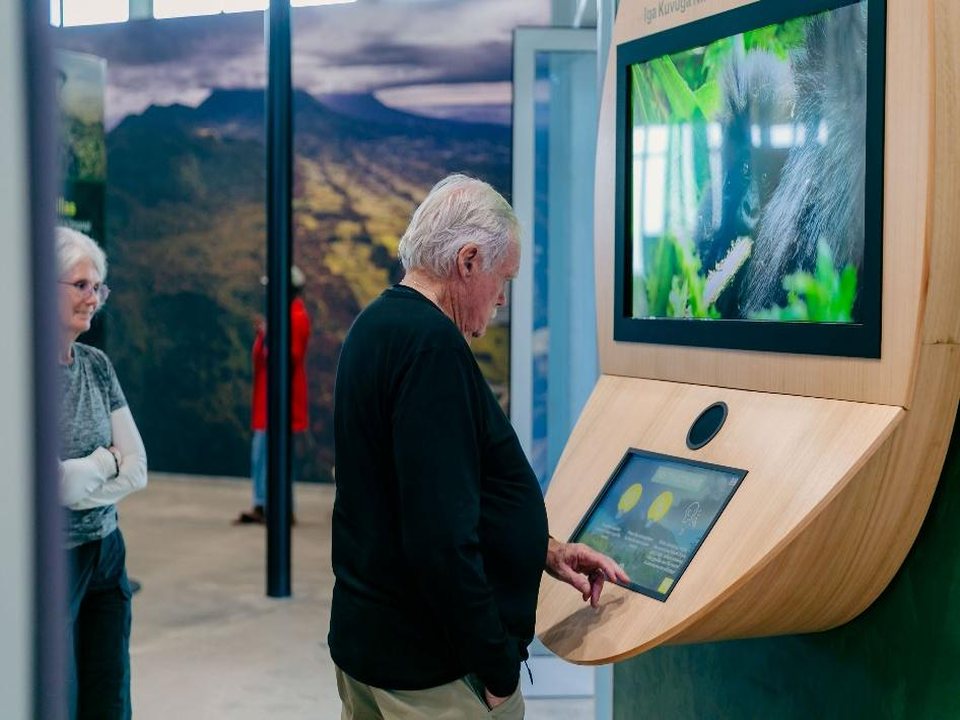
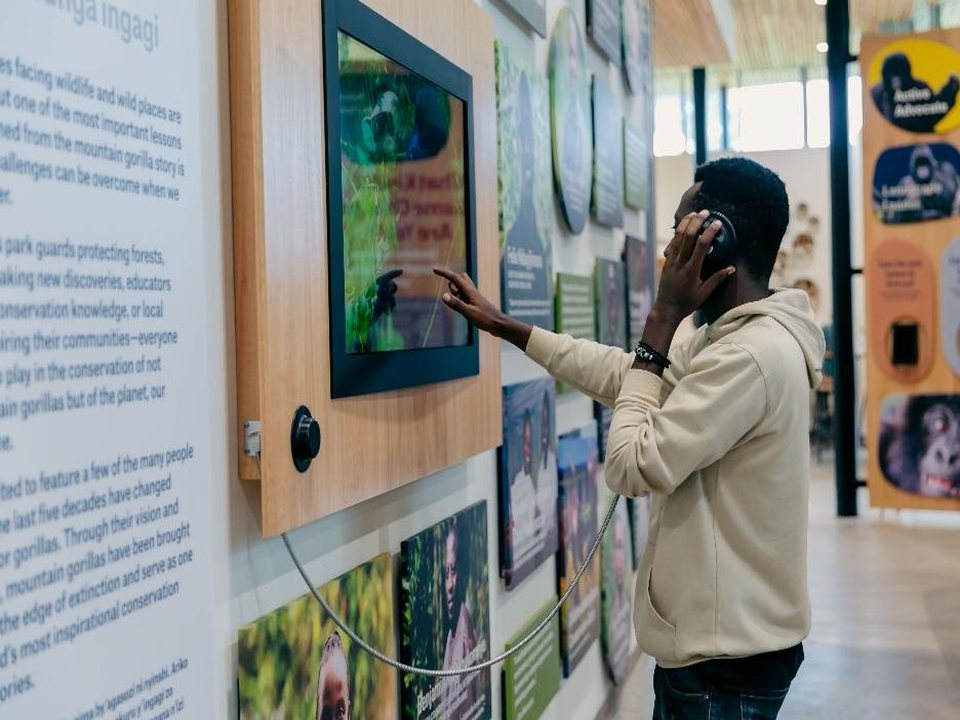
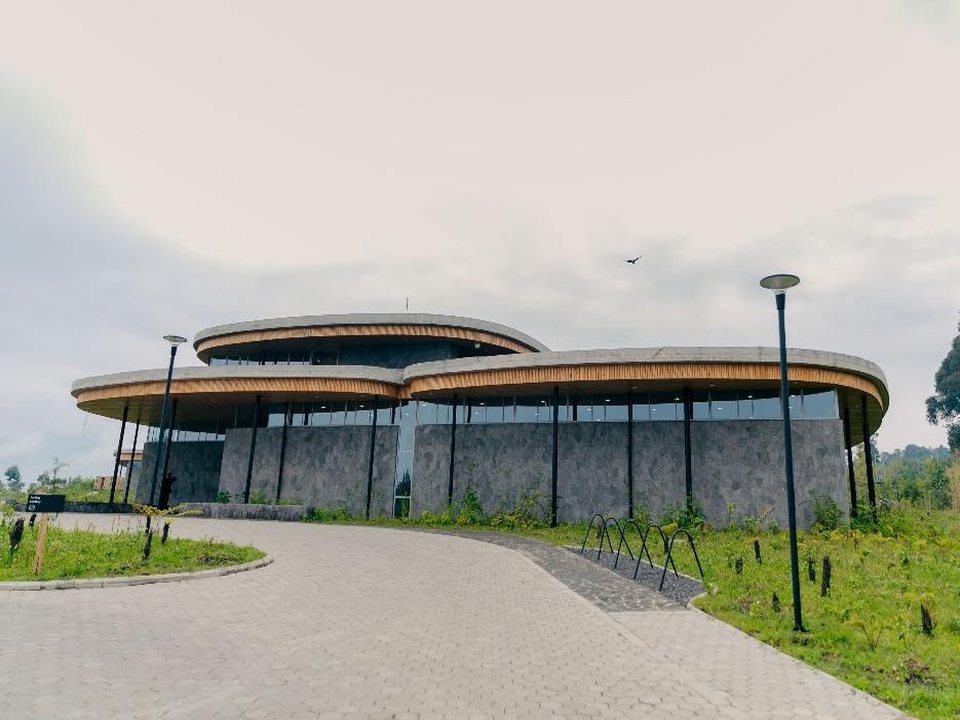
The exhibits for this new visitor centre in Rwanda were produced to specifications from MASS Design Group — solid timber kiosks, wall-hung media panels, printed wallpapers, and interactive touchpoints across the full centre. The design quality of the architecture set a high bar; the work had to meet it, built and installed on a remote site far from familiar supply chains.
Key learnings: maintaining design quality under logistical pressure — translating intent into decisions on a remote site, where maintaining design quality requires active effort at every step.
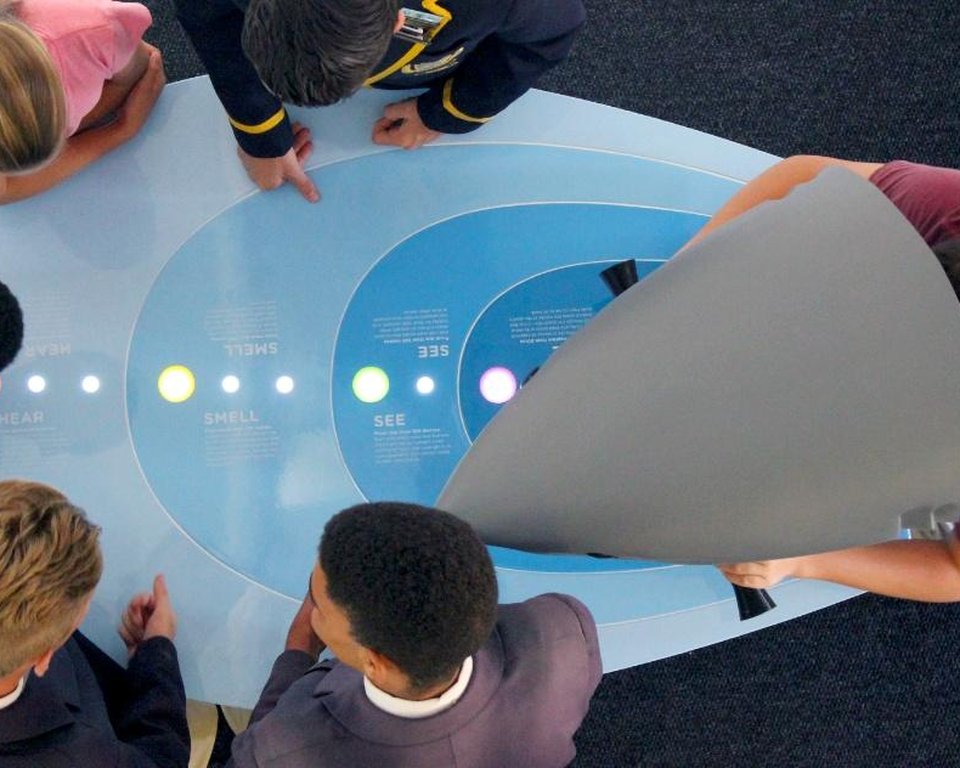
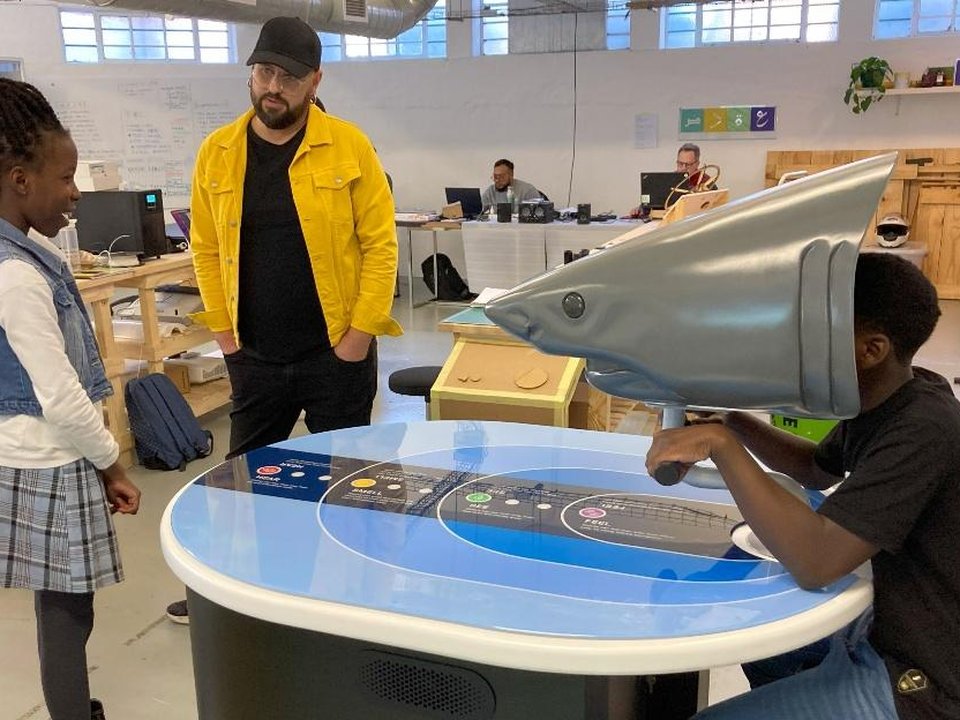
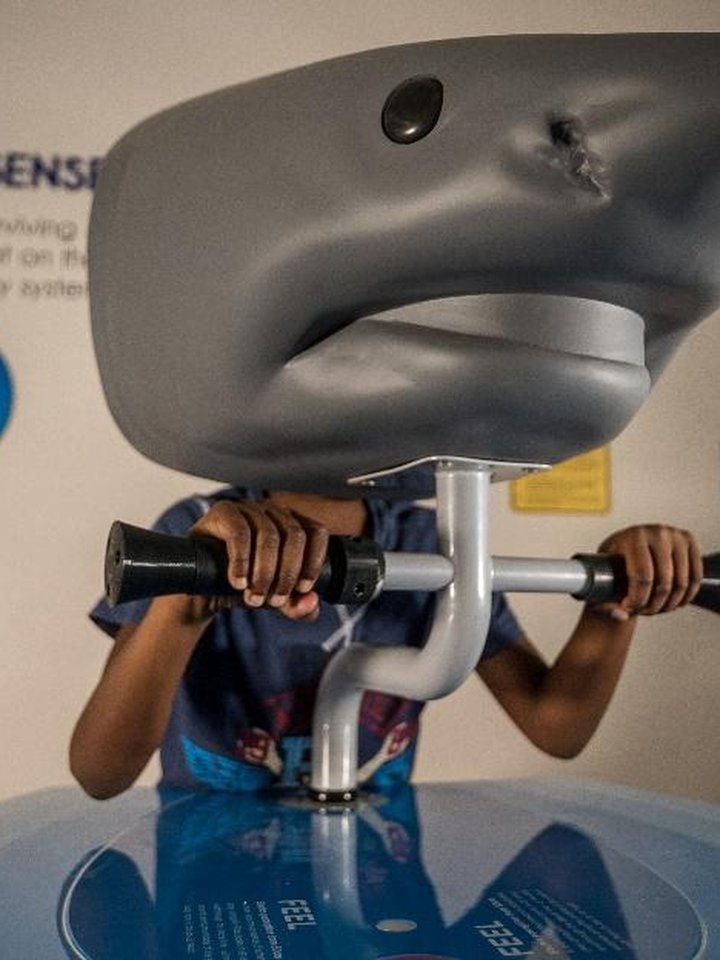
The Shark Sense exhibit asked visitors to experience the world as a shark — using directional sound, airflow, vibration in the handgrips, and VR to simulate the animal’s sensory system. The design challenge was making something physically and emotionally convincing, not just technically functional. The fiberglass shark head, the ergonomics of the platform, the sequencing of the sensory triggers — each was a design decision as much as an engineering one.
Key learnings: integrating emerging technology outside its intended context with custom fabrication methods — and making the result work as a single, coherent, functioning product.
Red Dot Award 2016 — A’ Design Award 2018 — IxDA Award 2018
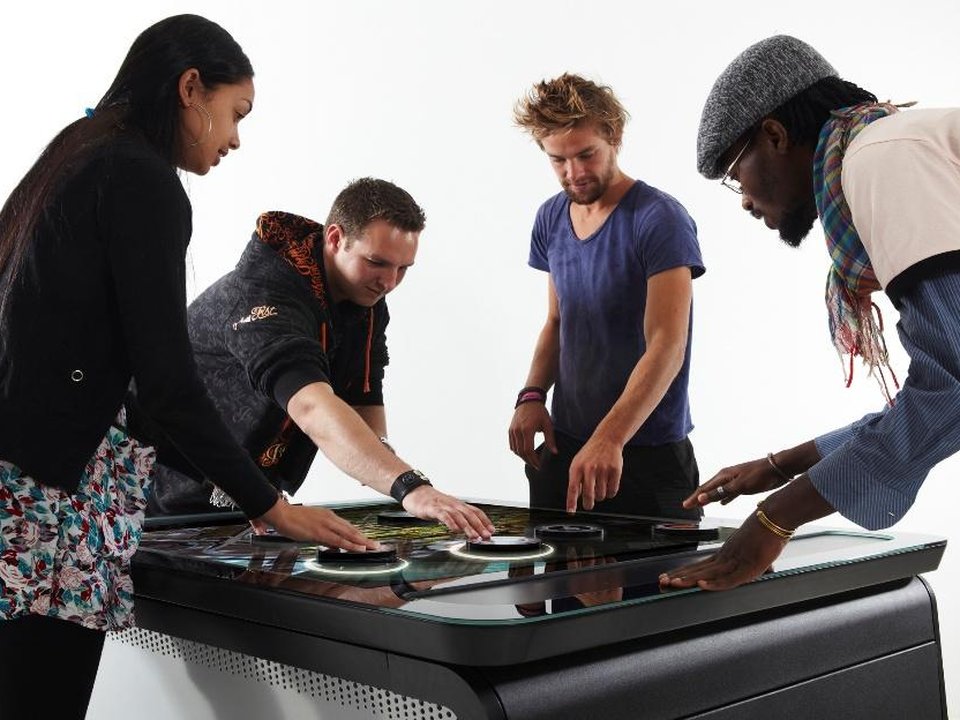
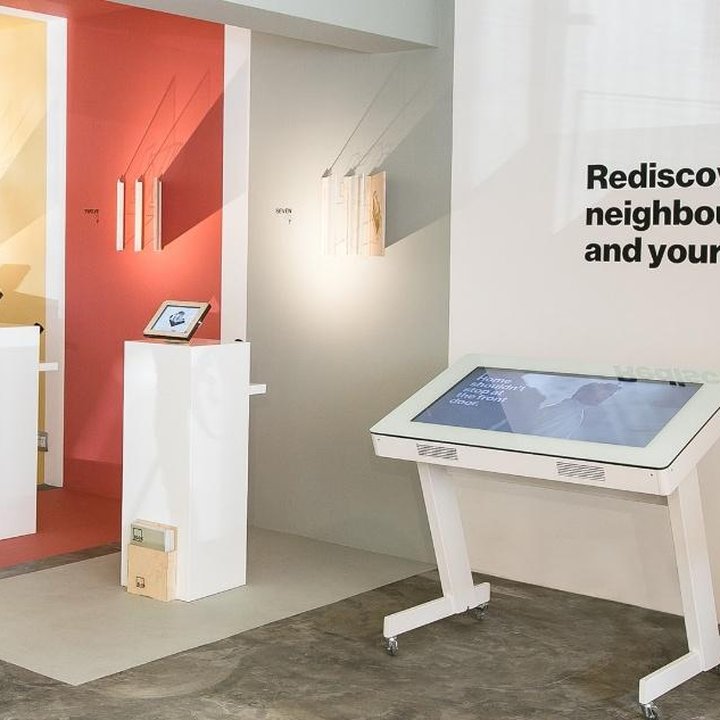
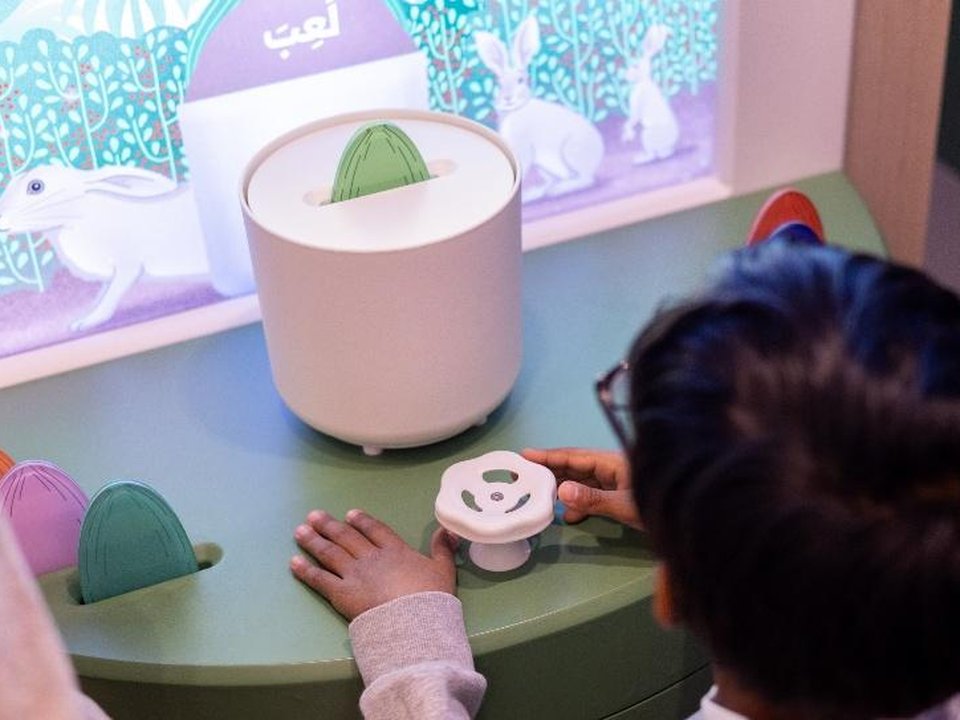
Over more than a decade, a range of custom interactive exhibits were designed and developed for museum environments in various parts of the world — tangible user interfaces that let multiple visitors interact simultaneously with physical objects on a glass surface, custom aluminium touch kiosks with nickel-plated casings and etched glass panels, tactile interactives with integrated mechanics and RFID, and projection-mapped environments responsive to visitor choices.
The consistent design challenge across all of them was the same: creating experiences robust enough for real museum environments, where visitor behaviour is unpredictable, maintenance access is limited, and the exhibit has to work on day one and day five hundred.
Key learnings: the gap between a working prototype and a reliable installed exhibit is almost always larger than expected — and closing it requires design decisions as much as engineering ones.
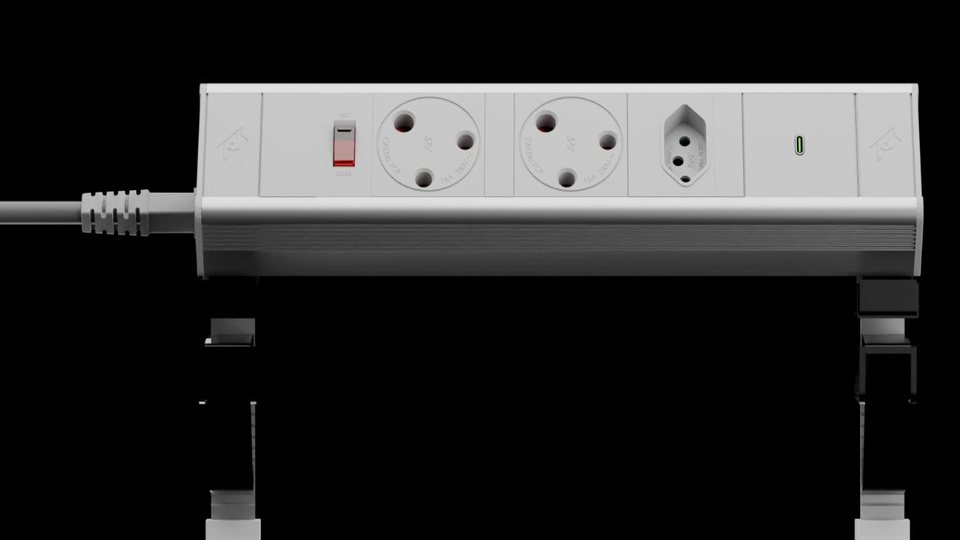
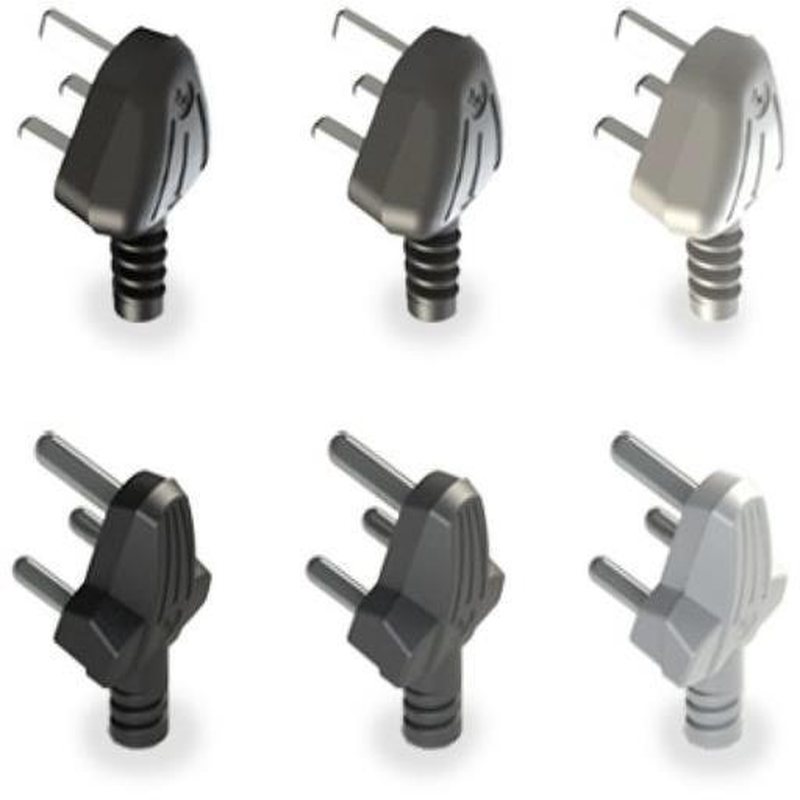
As R&D Manager and Lead Designer, the task was to develop a modular power system that could accommodate 18 international electrical standards within a single coherent design language — screwless clip assemblies, custom aluminium extrusions, injection moulded components, and a plug over-moulding line with distinct international variants. The design constraint was real: every component had to be manufacturable, certifiable, and consistent across markets. ISO 9001 QMS adopted during this period.
Key learnings: understanding product design as a system — where form, material, manufacture, and compliance are not separate considerations but a single design problem.
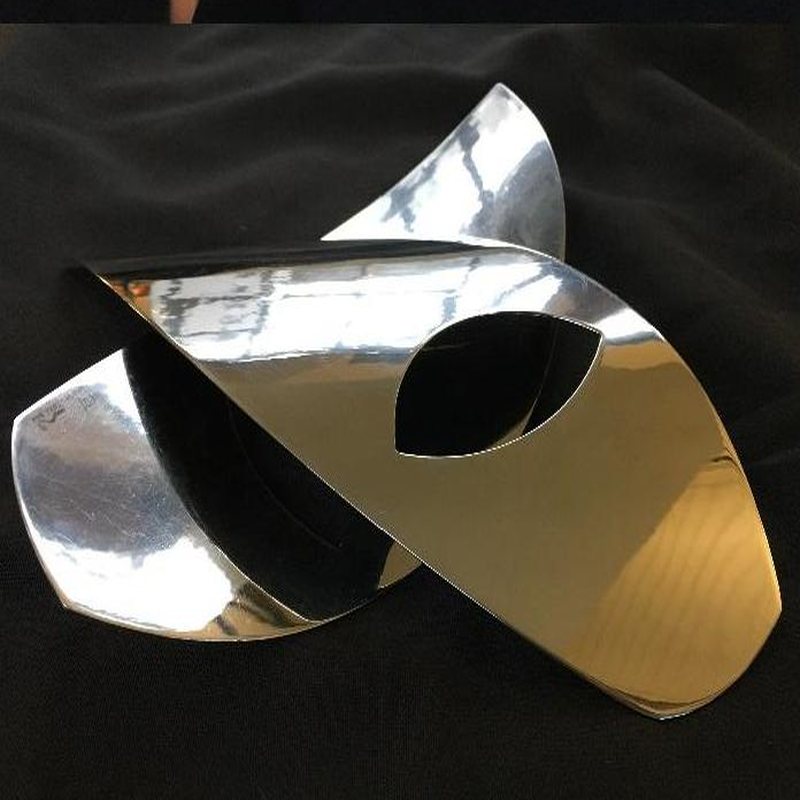
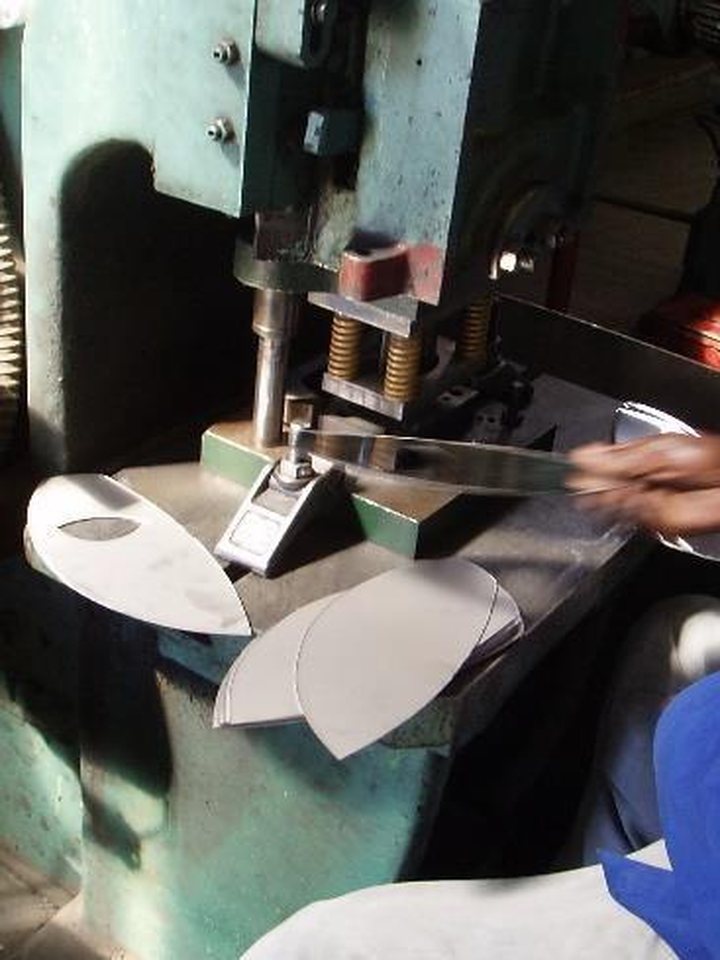
The brief was simple: a salad server for a high-end homeware brand known for sculptural stainless steel objects. The design concept — the server as an extension of the hand, shaped for scooping rather than tossing — determined everything that followed: the leaf form, the grip aperture, the mirror polish. Prototypes were laser cut and rolled; final production was stamped and pressed. The servers were in continuous production from 2007 to 2016.
Key learnings: the discipline of following a single design idea all the way through — from concept to tooling to shelf — and letting the market test it over time.